
Jobs in Spain and Portugal 2026: Salaries & How to Apply
Looking for a job in Spain or Portugal? Discover 2026 salaries, work permits, and how Balkan Posao connects you with verified employers abroad.
20.10.2026 Read more
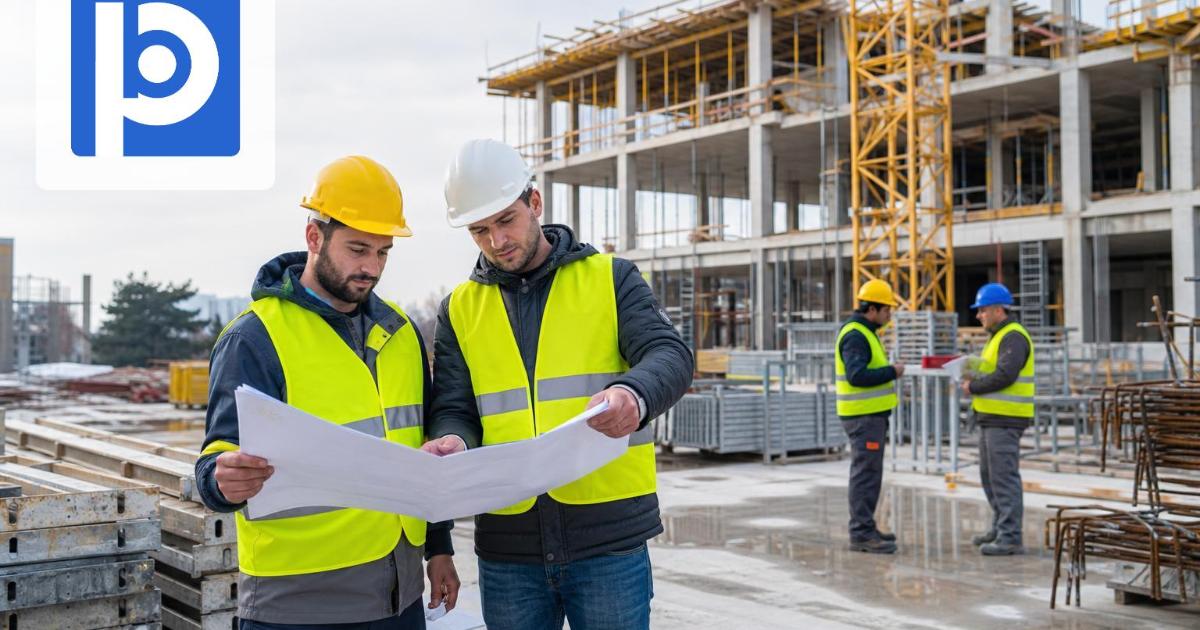
Construction remains one of the most reliable paths to stable, well-paid work abroad for candidates from Bosnia and Herzegovina, Serbia, North Macedonia, Montenegro, Kosovo, and Albania. As EU countries continue facing a shortage of skilled construction workers, demand for bricklayers, formwork carpenters, painters, and general site helpers keeps growing across Croatia, Germany, and Spain. Balkan Posao currently has five active construction positions open in these countries, covering different skill levels and salary ranges, making this the perfect moment to review what's available and how to apply. In this guide, we break down the most in-demand construction jobs in the EU for 2026, what you can realistically earn, and the steps you need to take to get hired legally and safely.
The construction sector across the European Union is facing a serious labor gap. Aging local workforces, booming infrastructure projects, and post-pandemic housing demand have pushed employers in Germany, Croatia, Spain, and Austria to actively recruit internationally. For Balkan workers, this translates into thousands of open positions with relatively straightforward visa and work permit processes, especially through licensed recruitment agencies.
Unlike many other sectors, construction doesn't always require formal diplomas — practical experience and a willingness to work hard often matter more than paperwork. This makes it especially accessible for tradesmen who learned their skills on the job rather than through formal education, a common path across the Balkans.
Another reason construction stays attractive is the pay structure. Most EU employers offer hourly or monthly wages well above what the same role would pay in the Balkans, plus overtime compensation, and in many cases, accommodation support. Germany alone has thousands of open roles, and we've covered the full picture of wages and requirements in our detailed guide on construction worker jobs in Germany.
Spain and Croatia have also become increasingly popular destinations, partly because of cultural and linguistic proximity, and partly because of growing EU-funded construction projects. Whether you're a bricklayer, a carpenter, or an unskilled helper looking to gain experience, there's a real path into the EU construction market right now.
Not all construction jobs are the same, and pay varies significantly depending on skill level, country, and specialization. Here's a breakdown of the most common roles currently open through Balkan Posao and similar agencies:
If you're also open to other EU destinations, it's worth comparing options. Spain in particular has become a strong alternative to Germany for many Balkan workers — we cover salaries and application steps in our article on jobs in Spain and Portugal.
Finding a legitimate construction job abroad isn't always simple. Scam job ads, fake agencies, and unclear contracts are unfortunately common in this sector, which is why working with a trusted agency matters. Balkan Posao has over 10 years of experience connecting candidates from across the Balkans with verified employers in Germany, Austria, Switzerland, and the broader EU — and the service is completely free for candidates.
Here's how we make the process easier:
If you're unsure how to tell a legitimate opportunity from a risky one, our guide on how to recognize a legitimate employment agency abroad is a must-read before applying anywhere. Whether you're an experienced bricklayer or just starting out as a site helper, reach out to our team at 033 791 029 or browse active listings directly on balkanposao.com — we'll help match you to the right position based on your skills and experience.
Requirements vary by country and role, but most construction employers in the EU look for a similar set of basics. Here's what you should prepare before applying:
It's also worth understanding the broader context of working in the EU, including tax changes that may affect your net income. If you're planning to work in Germany specifically, our article on the new tax rules in Germany for 2027 is useful background reading before you commit to a long-term contract.
Finally, make sure any job offer you receive includes a written contract detailing salary, working hours, and accommodation terms. Legitimate employers and agencies will never ask you to pay upfront fees for a job placement.
It depends on the country and role. In Germany, skilled trades like formwork carpentry or painting can earn between 2,200 and 3,200 EUR gross monthly, while entry-level helper roles start around 1,800 EUR. In Croatia, bricklayers typically earn 1,000 to 1,400 EUR net monthly, often with accommodation included.
Not always, especially for entry-level or skilled trade roles where practical ability matters more than language. However, basic language knowledge significantly improves your chances and makes daily work life easier, particularly in Germany and Austria.
Many employers, especially in Germany and Croatia, offer subsidized or fully covered accommodation as part of the job package. Always confirm this detail in writing before accepting an offer.
Processing times vary by country and nationality, but typically range from a few weeks to a couple of months. Working with a licensed agency like Balkan Posao can help speed up the process since employers and paperwork are already verified in advance.
Yes, as long as the agency is legitimate and doesn't charge candidates any fees. Balkan Posao's services are completely free for job seekers, and all our listings come directly from verified employers.
Construction remains one of the most accessible and rewarding sectors for Balkan workers looking to build a career abroad. With active positions in Croatia, Germany, and Spain, and salaries well above regional averages, 2026 is shaping up to be a strong year for construction professionals willing to make the move. The key is working with a trusted partner who can guide you through the entire process — from matching you with the right employer to making sure your contract and work permit are handled correctly.
Balkan Posao has helped thousands of candidates from across the Balkans find safe, well-paid construction jobs in the EU, completely free of charge. Don't wait for the right opportunity to pass you by — visit balkanposao.com today to browse all active listings, or call us directly at 033 791 029 to speak with our team and find the construction job that fits your skills and goals.
Looking for a job in Spain or Portugal? Discover 2026 salaries, work permits, and how Balkan Posao connects you with verified employers abroad.
Looking for construction worker jobs in Germany? See real salaries, requirements and how to apply for active 2026 vacancies with Balkan Posao.

Looking for car mechanic jobs in Germany in 2026? Learn about salaries, requirements, and how candidates from the Balkans can apply safely and legally.