Car Mechanic Jobs in Germany 2026: Salary & How to Apply
Looking for car mechanic jobs in Germany in 2026? Learn about salaries, requirements, and how candidates from the Balkans can apply safely and legally.
15.10.2026 Read more
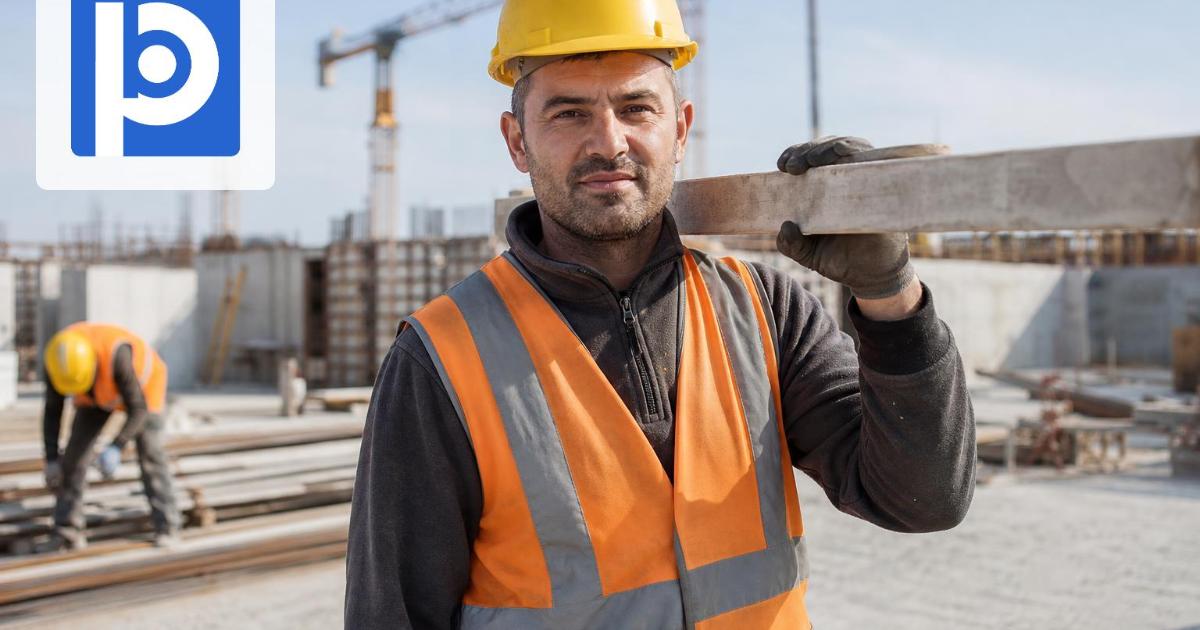
Germany's construction sector is facing a severe labor shortage, and that means genuine opportunities for workers from the Balkans willing to relocate. Two fresh vacancies have just opened for a Baustellenhelfer (construction site helper) and an Einschaler (formwork carpenter), both offering legal contracts, competitive pay, and support with paperwork. If you've been searching for a reliable way to work on a construction site in Germany, this is exactly the kind of opportunity worth acting on quickly. Balkan Posao has spent over a decade connecting candidates from Bosnia, Serbia, Croatia, Montenegro, Albania, Kosovo and North Macedonia with verified employers across Germany, Austria and Switzerland - and construction remains one of the busiest fields we work in. In this article, we'll break down what the job actually involves, how much you can realistically earn, what documents you need, and how to apply without falling into scams along the way.
A construction site helper (Baustellenhelfer) is an entry-level role that doesn't always require formal qualifications, which makes it accessible to many candidates from the Balkans. Typical daily tasks include:
While previous experience is helpful, many employers are open to training motivated workers on the job. Physical stamina, reliability, and a basic understanding of German or English are usually more important than a diploma. Related roles, such as formwork carpenter positions, often require slightly more technical skill but pay accordingly higher.
These jobs are physically demanding and often seasonal in terms of workload intensity, but the German construction industry runs year-round, meaning stable employment is realistic if you perform well and stay with a reputable employer.
Pay for construction workers in Germany varies by region, employer, and specific role, but general helpers can typically expect a gross monthly salary in the range of €2,000 to €2,600, while more specialized positions such as formwork carpenters can earn noticeably more. On top of the base salary, many employers offer:
To apply, candidates generally need:
Keep in mind that Germany recently updated several tax regulations that affect foreign workers' net income - it's worth reading our breakdown of the new tax rules for 2027 before signing any contract, so you know exactly what to expect on your payslip.
Finding a legitimate construction job abroad isn't just about sending a CV into the void - it's about having someone on your side who knows the market and the employers. Balkan Posao works directly with construction companies in Germany, Austria and Switzerland, which means there are no hidden middlemen charging you fees along the way. Our service is completely free for candidates.
Here's what we actually do for you:
With over 10 years of experience and direct relationships with employers, we've helped thousands of candidates from across the Balkans avoid scams and secure real jobs. If you're serious about working in construction in Germany, call us at 033 791 029 or browse current listings on balkanposao.com.
Unfortunately, the demand for construction jobs in Germany has attracted a number of fraudulent agencies that target candidates from the Balkans with fake promises. Before applying anywhere, watch out for these red flags:
Always confirm that the agency you're dealing with is properly registered and has a track record of real placements. We've put together a detailed guide on how to recognize a legitimate employment agency abroad that's worth reading before you commit to anything.
It's also smart to double-check general application advice for the German job market as a whole - our guide on how to apply for jobs in Germany from the Balkans covers visa pathways, document checklists and timelines that apply regardless of your specific trade.
Basic German (A1-A2 level) is usually enough for helper positions, since much of the work is physical and supervised. However, having at least some language skills will make daily communication easier and improve your chances of promotion to better-paid roles.
Formal qualifications are not always required for this entry-level role. Employers generally look for physical fitness, reliability, basic safety awareness, and a willingness to learn. Previous construction experience is a plus but not mandatory.
Processing times vary by country of origin and embassy workload, but candidates working with Balkan Posao typically see faster processing because we help prepare complete, correctly formatted documentation from the start, reducing back-and-forth delays.
Many construction employers in Germany offer subsidized or fully covered accommodation near the job site, especially for workers relocating from abroad. This is confirmed on a case-by-case basis during the hiring process.
Yes, transferable skills such as mechanical aptitude, physical stamina and attention to detail are valued across trades. If construction isn't the right fit, we also work with candidates interested in other sectors - check out our article on car mechanic jobs in Germany for an alternative path.
Construction jobs in Germany offer a realistic, well-paid path abroad for workers from across the Balkans, especially right now while demand remains high and two fresh positions are open. Don't wait until these vacancies fill up - the Baustellenhelfer and Einschaler roles are being reviewed on a rolling basis, and strong candidates are being contacted quickly. Visit balkanposao.com today to submit your application, or call us directly at 033 791 029 to speak with our team about your options. Our service is completely free, and we're here to guide you through every step - from your first application to your first paycheck in Germany.
Looking for car mechanic jobs in Germany in 2026? Learn about salaries, requirements, and how candidates from the Balkans can apply safely and legally.
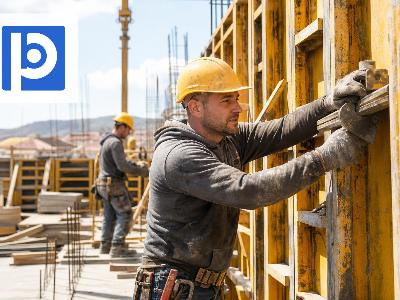
New Einschaler (formwork carpenter) job in Offenbach, Germany. Learn about salary, requirements and how candidates from the Balkans can apply today.

A cyberattack hit Switzerland's AHV pension fund in 2026. Learn what Balkan workers in Switzerland need to know about their contributions and data.