Construction Worker Jobs in Germany 2026: Salary & Apply
Looking for construction worker jobs in Germany? See real salaries, requirements and how to apply for active 2026 vacancies with Balkan Posao.
16.10.2026 Read more

For years, Germany and Austria have been the default choice for workers from the Balkans looking for a better income abroad. But in 2026, more and more candidates are turning their attention south — to Spain and Portugal. Lower cost of living, a Mediterranean climate, growing construction sectors, and labour shortages in several industries are making these two countries increasingly attractive. Balkan Posao has already started helping candidates from across the region secure verified job offers in Spain, including an active opening for construction workers in Valencia. In this article, we explain the current job market, salaries, legal requirements, and how to apply safely.
Both Spain and Portugal are experiencing steady economic growth, which is driving demand for foreign labour in sectors such as construction, agriculture, hospitality, and logistics. Unlike Germany or Austria, where the language barrier can be a significant obstacle, many employers in Spain and Portugal are open to hiring workers who speak only English or basic Spanish/Portuguese, especially in manual labour positions.
The construction industry in particular is booming. Cities like Valencia, Madrid, and Barcelona are seeing a surge in residential and infrastructure projects, creating a strong need for experienced construction workers, bricklayers, and formwork specialists. This is similar to the trend we've already covered in our article on construction worker jobs in Germany, but Spain is now following the same pattern with even faster growth.
Another major advantage is the cost of living. While salaries in Spain and Portugal are generally lower than in Germany or Switzerland, the cost of rent, food, and daily expenses is also significantly lower, which often results in similar or better net savings for workers, especially those coming from the Balkans.
Finally, the climate and lifestyle play a role too. Many workers who previously worked seasonal jobs in colder climates — such as those described in our guide on seasonal jobs in Austria — are now looking at Spain and Portugal as a more comfortable long-term option.
If you are a citizen of a Balkan country that is not yet part of the EU (Bosnia and Herzegovina, Serbia, North Macedonia, Albania, Kosovo), you will generally need a work visa and a valid job offer before moving to Spain or Portugal. The process typically involves the following steps:
It's important to note that Montenegro is on track to join the EU by 2028, which will eventually simplify this process for its citizens — you can read more about this in our article on Montenegro's EU accession and what it means for workers. Until then, however, most Balkan candidates still need to go through the standard visa process.
One of the biggest risks in this process is dealing with unverified agencies that promise fast placement but charge high fees or provide fake contracts. Before signing anything, always check whether the agency or employer is legitimate. We strongly recommend reading our detailed guide on how to recognize a legitimate employment agency abroad before committing to any offer.
Balkan Posao has over 10 years of experience connecting candidates from the Balkans with verified employers across Europe — and our network now extends to Spain and Portugal as well. We currently have an active and verified job opening for construction workers in Valencia, Spain, offering legal contracts, accommodation support, and competitive salaries for experienced oficiales de primera (skilled tradesmen).
Here's what makes working with Balkan Posao different:
If you're a construction worker, bricklayer, formwork carpenter, or skilled tradesman considering a move abroad, our team can match you with real opportunities in Spain, not just promises. Call us at 033 791 029 or visit balkanposao.com to check current openings and speak directly with our recruitment team.
Salaries in Spain and Portugal vary significantly depending on the industry, region, and your level of experience. Here's a general overview for 2026:
While these numbers may seem lower compared to Germany, it's important to factor in the cost of living. Rent for a one-bedroom apartment outside major city centres in Spain typically ranges from €450 to €700, compared to €800–€1,200 in German cities. Groceries, transportation, and utilities are also generally cheaper.
Many employers in the construction sector — including our partner in Valencia — also offer accommodation assistance or subsidized housing for foreign workers, which further reduces monthly expenses. This is a key factor that makes Spain and Portugal competitive compared to more traditional destinations like Germany, where finding affordable housing can be a real challenge, as we've discussed in our overview of jobs in Germany and how to apply from the Balkans.
Overall, workers who plan their budget carefully often find that their net savings in Spain or Portugal are comparable to — or sometimes better than — what they would save working in Central Europe, especially once you factor in travel costs, taxes, and lifestyle.
For manual labour positions such as construction, agriculture, or warehouse work, basic Spanish or Portuguese is often enough, and some employers accept English speakers. However, learning at least basic phrases will significantly improve your daily life and job opportunities.
The process usually takes between 4 and 12 weeks, depending on your home country, the embassy's workload, and how complete your documentation is. Having a signed job contract in advance speeds up the process considerably.
Yes, as long as you have a legal work visa and a valid contract with a licensed employer. Avoid any offer that asks you to work without proper documentation, as this exposes you to legal and financial risks.
In many cases, yes. Employers in the construction sector, including our partner in Valencia, often value practical experience highly. Our team can advise you on which positions match your background during the application process.
Both options exist. Agriculture and hospitality often offer seasonal contracts, while construction and manufacturing roles are more commonly long-term. Balkan Posao can help you determine which type of job best fits your situation.
Spain and Portugal are no longer just holiday destinations for Balkan workers — they're becoming genuine career opportunities with competitive salaries, lower living costs, and growing demand for foreign labour. Whether you're a construction worker interested in our active opening in Valencia, or you're exploring other industries, the key to a safe and successful move abroad is working with a trusted partner.
Balkan Posao has helped thousands of candidates from the Balkans find legal, verified jobs across Europe — completely free of charge. Don't risk your time and money with unverified agencies. Visit balkanposao.com today to browse current openings, or call us directly at 033 791 029 to speak with our recruitment team and start your application process in Spain or Portugal today.
Looking for construction worker jobs in Germany? See real salaries, requirements and how to apply for active 2026 vacancies with Balkan Posao.

Looking for car mechanic jobs in Germany in 2026? Learn about salaries, requirements, and how candidates from the Balkans can apply safely and legally.
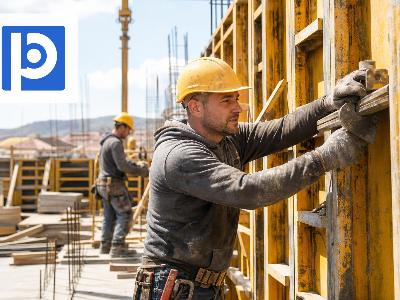
New Einschaler (formwork carpenter) job in Offenbach, Germany. Learn about salary, requirements and how candidates from the Balkans can apply today.