
Remote Jobs 2026: How to Work for Foreign Companies
Remote jobs are booming across the Balkans in 2026. Learn how to find legitimate remote work abroad and how Balkan Posao can help you get hired.
19.10.2026 Read more
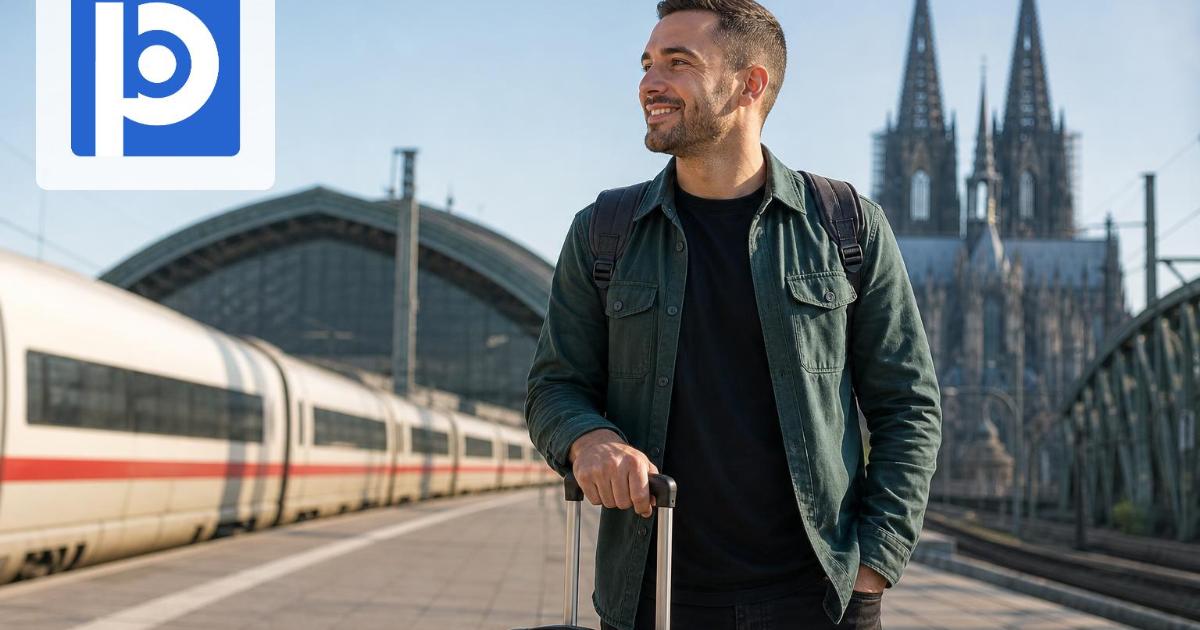
If you hold a passport from North Macedonia, Serbia, Bosnia and Herzegovina, Albania, Kosovo, or Montenegro, you already know that working in Germany is not as simple as it is for EU citizens. Non-EU passport holders face a different set of rules, visa categories, and documentation requirements before they can legally start a job in Germany. The good news is that thousands of Balkan workers successfully make this move every year, and Balkan Posao has spent over 10 years helping candidates from across the region navigate this exact process - completely free of charge. In this guide, we explain exactly what you need to know in 2026 if you want to work in Germany with a Balkan passport: which visa applies to you, what documents are required, how long the process takes, and how to avoid the common mistakes that delay or derail applications.
From Germany's perspective, there is no single category called "Balkan passport." Instead, each country's citizens are classified individually based on bilateral and EU agreements. Citizens of North Macedonia, Serbia, Bosnia and Herzegovina, Albania, and Kosovo are treated as third-country nationals, meaning they need a work visa and residence permit before starting employment. Montenegro is in a slightly different position, as it continues its path toward EU membership - something we covered in detail in our article on Montenegro's EU accession and what it means for workers, but for now Montenegrin citizens still need the same standard work visa as other Western Balkan nationals.
This classification matters because it determines which legal pathway you must follow. Third-country nationals cannot simply travel to Germany and start working - the employment contract, visa application, and work permit approval must all happen in a specific order, usually starting in your home country at the German embassy or consulate.
Most Balkan candidates apply through one of these main pathways:
The Western Balkans Regulation is particularly important because it opens the door for workers without formal degrees - including those applying for roles like construction worker jobs in Germany or positions as a car mechanic. Required documents typically include a valid passport, signed employment contract, proof of qualifications (if applicable), health insurance confirmation, and sometimes a criminal record certificate. Processing times vary but usually range from 6 to 16 weeks depending on the embassy and visa category.
Navigating German bureaucracy alone is one of the biggest reasons legitimate job offers fall through. Balkan Posao exists specifically to close that gap. As a recruitment agency based in the region with direct, verified contacts with German employers, we handle the parts of the process that usually confuse candidates the most.
Here's what we do differently:
With over 10 years of experience placing candidates from across the Balkans into legitimate jobs in Germany, Austria, Switzerland, and the wider EU, our team knows exactly which documents each embassy expects and how to present your application so it moves faster. You can reach us directly at 033 791 029 or browse current openings on balkanposao.com.
Even with a solid job offer, many Balkan candidates run into avoidable problems. Here are the most frequent ones we see:
Planning ahead by at least three to four months before your intended start date gives you enough buffer to handle embassy appointments, document collection, and unexpected delays.
Yes. Under the Western Balkans Regulation, citizens of these countries can work in almost any profession in Germany with a valid job offer, even without formal higher education, as long as the Federal Employment Agency approves the position.
On average, the process takes between 6 and 16 weeks from submitting your application to receiving approval, depending on the embassy, visa category, and completeness of your documentation.
It depends on the role. Many construction, manufacturing, and hospitality positions require only basic German or none at all initially, while healthcare and office roles typically require at least B1-level proficiency.
Yes, you can apply directly to employers and handle the visa process yourself. However, using a trusted agency like Balkan Posao can save significant time and reduce the risk of errors, since the process is handled free of charge.
You can usually reapply after addressing the reason for rejection, whether it's missing documents, insufficient qualification proof, or an issue with the job offer itself. A similar situation applies to permit rejections in Switzerland - see our article on what it means when a Swiss work permit is rejected for a comparable process.
Working in Germany with a Balkan passport in 2026 is entirely achievable if you understand the correct visa pathway and prepare your documents properly. Whether you're a skilled tradesperson, a construction worker, or someone exploring other opportunities in the EU, the key is working with people who know the system and have verified contacts on the ground. Balkan Posao has helped thousands of candidates from the region find legitimate, well-paid jobs in Germany, Austria, and Switzerland - and our service costs you nothing. Visit balkanposao.com today to browse open positions, or call us directly at 033 791 029 to get personalized guidance on your application. Your next job in Germany could be just one phone call away.
Remote jobs are booming across the Balkans in 2026. Learn how to find legitimate remote work abroad and how Balkan Posao can help you get hired.

Looking for trustworthy job ads abroad? Discover how to find verified job listings in Germany, Austria and Croatia for 2026 and avoid scams.
Introduce your brand to people searching for jobs, planning to move abroad or building a new career through the Balkan Posao and EUJoby web and mobile platforms.